
RAW EDGES
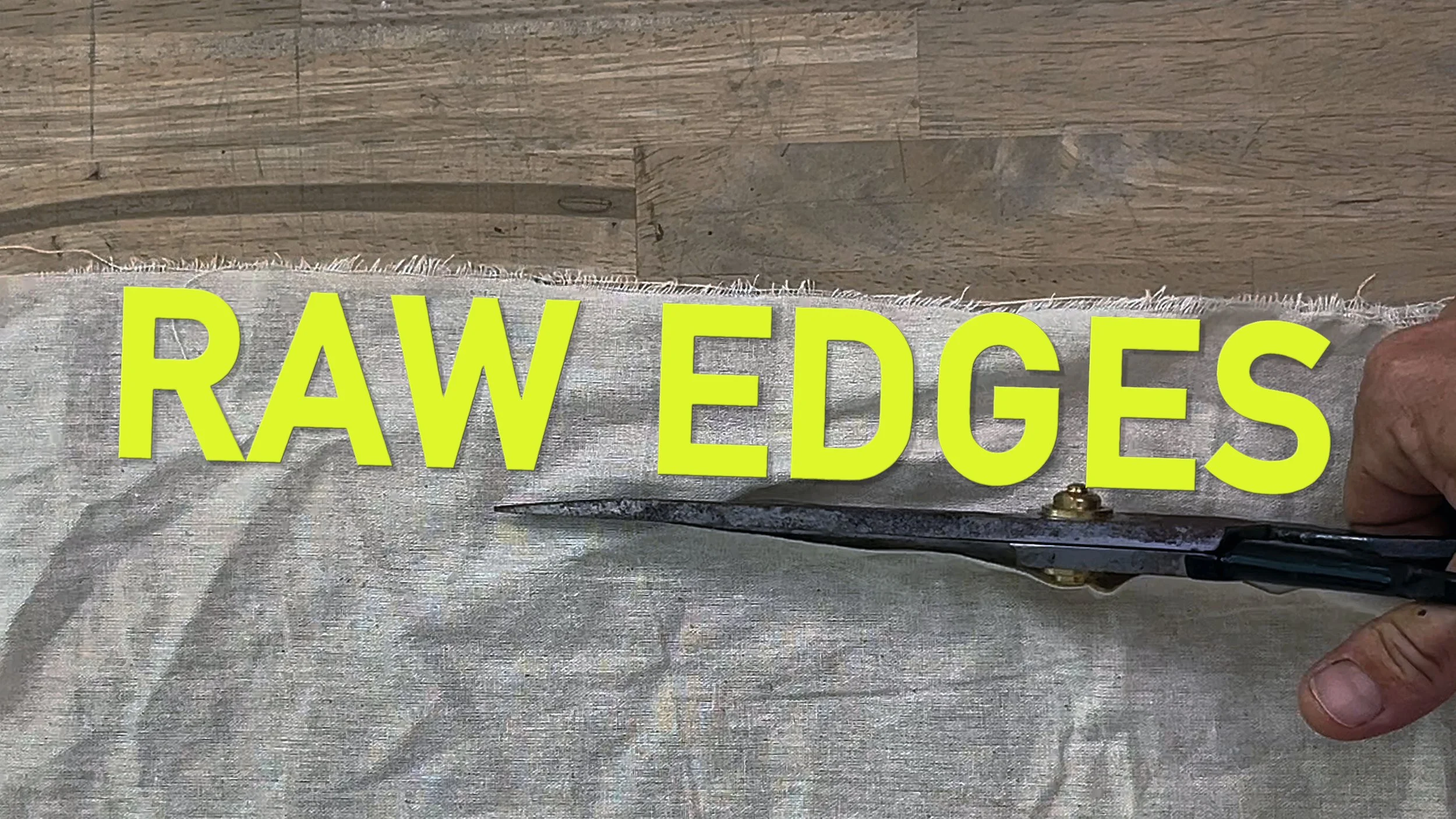
A raw edge is any cut edge of fabric that has not yet been finished, enclosed, or sewn into a seam.
As soon as fabric is cut, the edge becomes exposed and may begin to fray, stretch, curl, or distort depending on the fabric type and construction method.
In sewing, every raw edge eventually requires a decision:
leave it exposed
finish it
or enclose it completely
Understanding how to handle raw edges is one of the key foundations of garment construction.
Why Raw Edges Matter
Different fabrics behave very differently once cut.
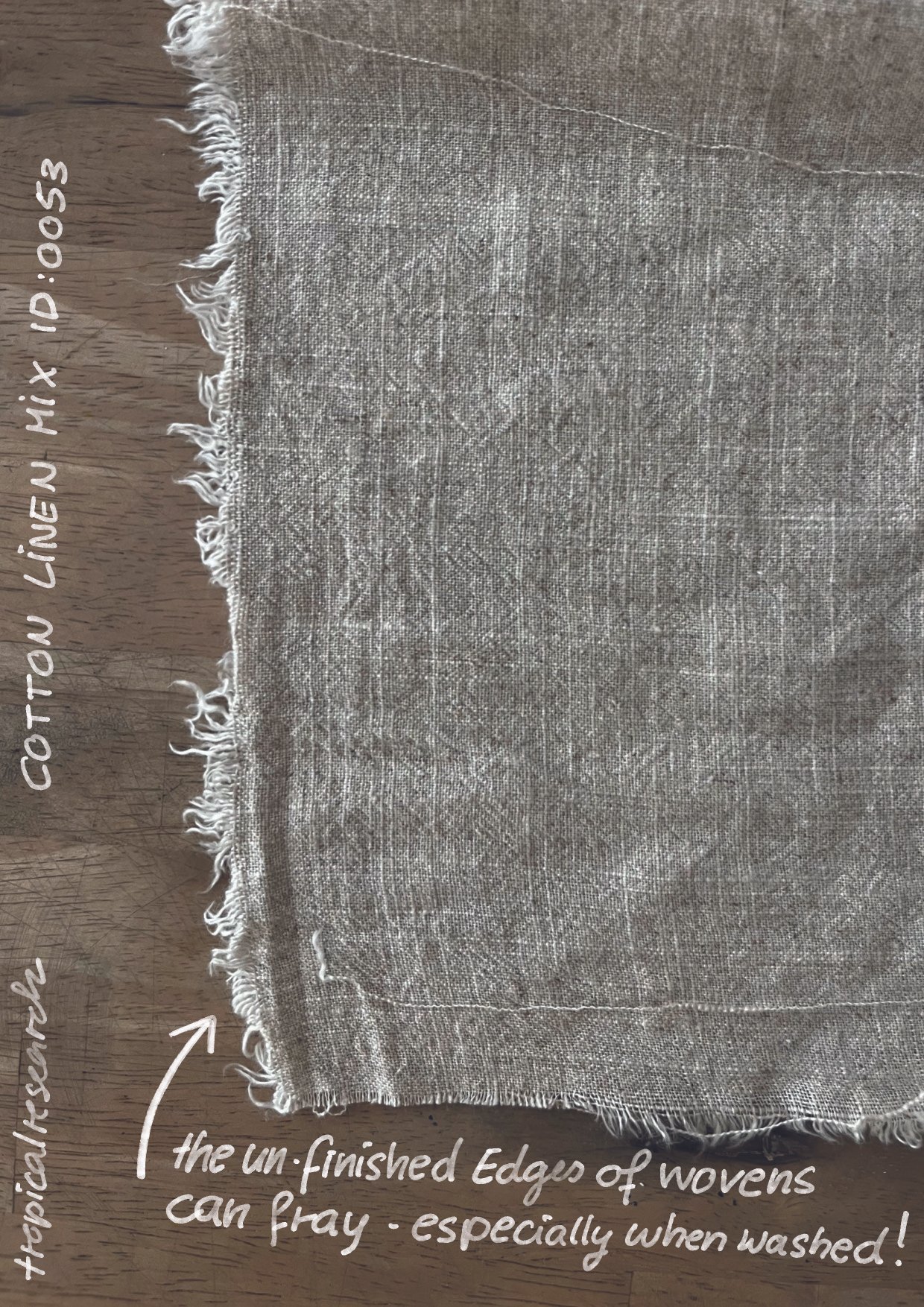
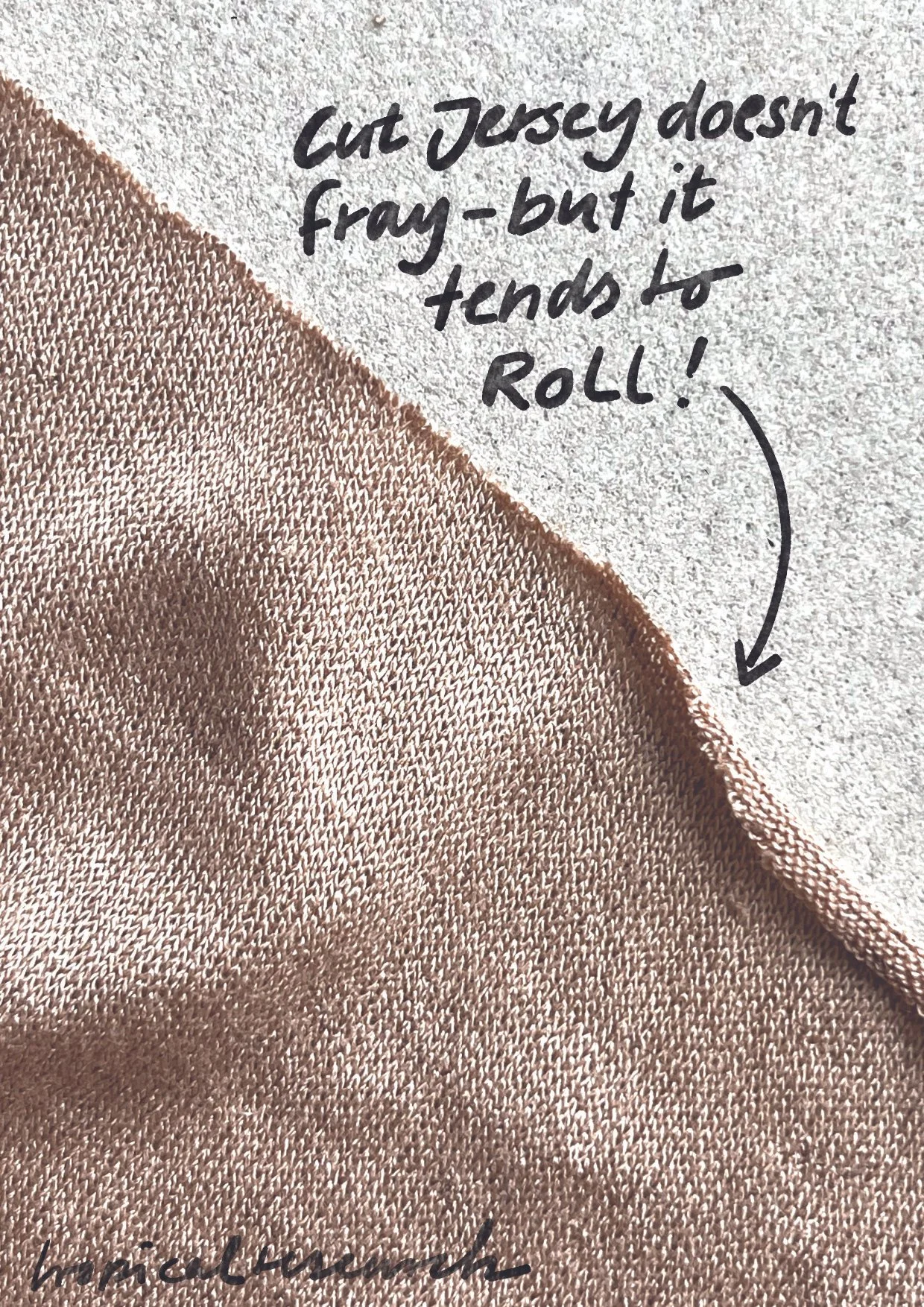
Woven fabrics such as linen or cotton may fray heavily over time, while many knit fabrics tend to curl instead of unravel. Some tightly woven or non-fraying materials can safely remain unfinished.
The way raw edges are handled affects:
garment durability
comfort
appearance
seam strength
wash resistance
overall construction quality
Common Ways to Finish Raw Edges
Leaving Raw Edges Exposed
Some garments intentionally leave edges unfinished as a stylistic choice. This is common in casual wear, soft linen garments, or experimental fashion.
Certain fabrics fray beautifully, while others may become messy or weaken over time.
Finished Raw Edges
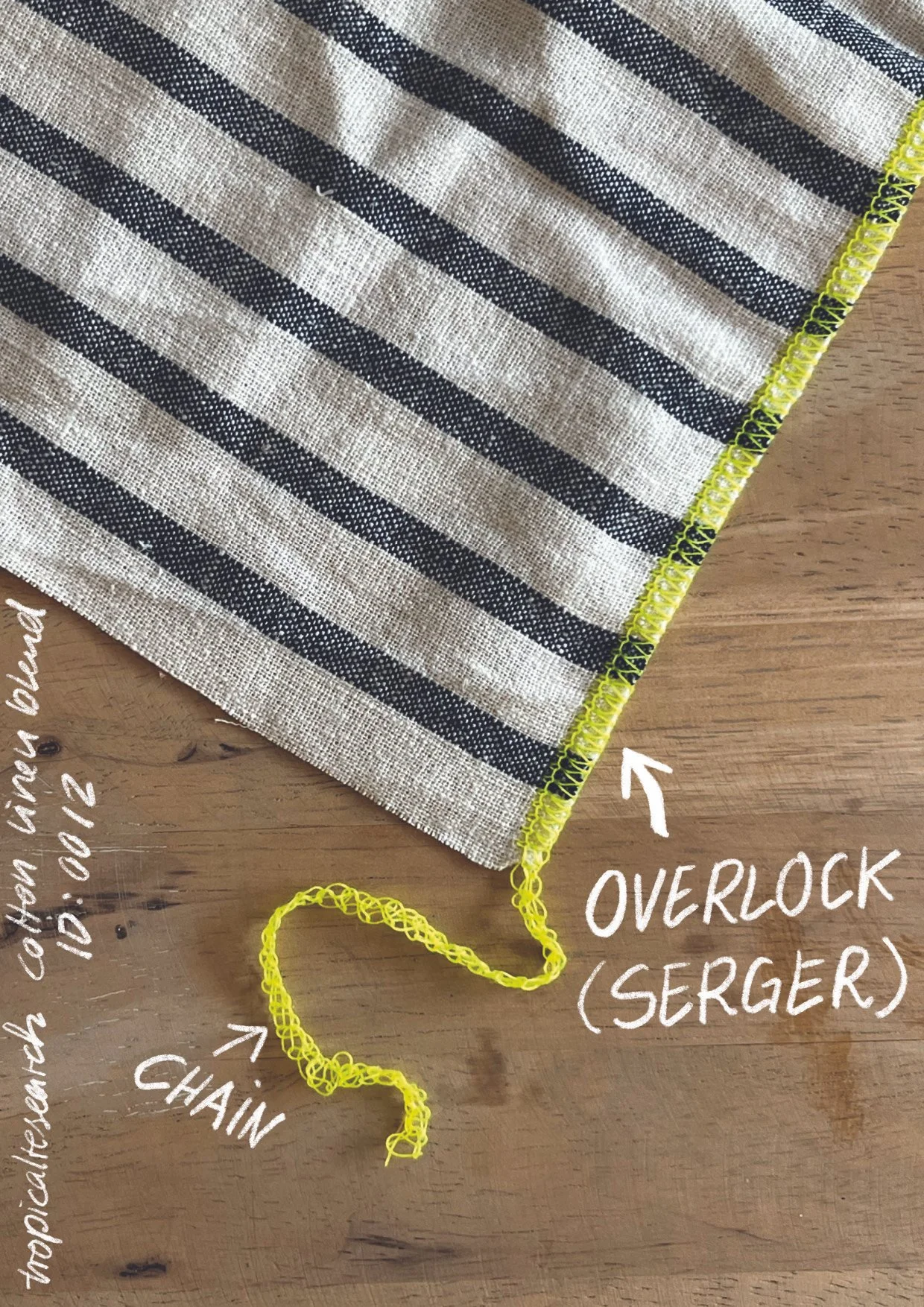
Raw edges can be finished using methods such as:
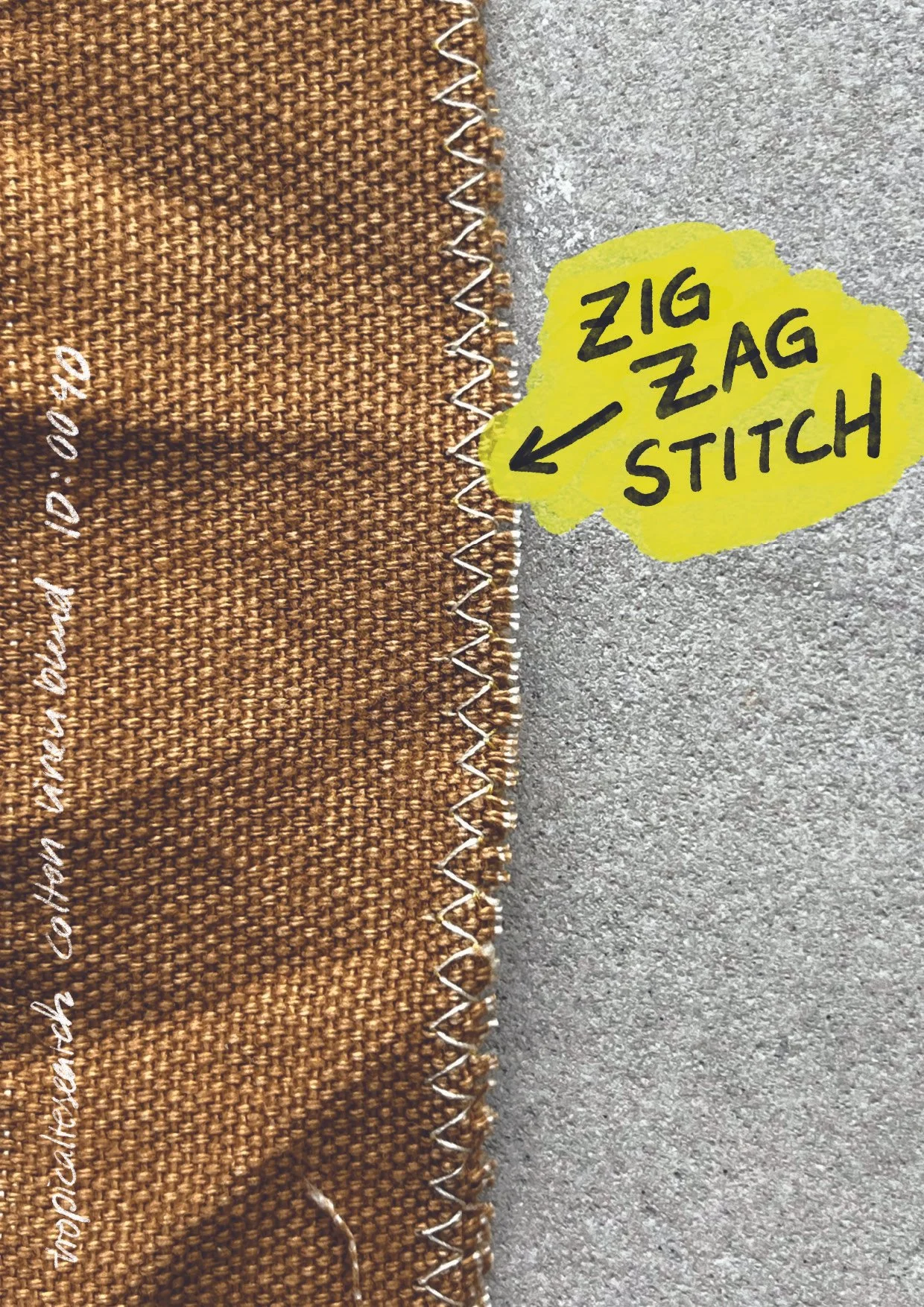
zigzag stitching
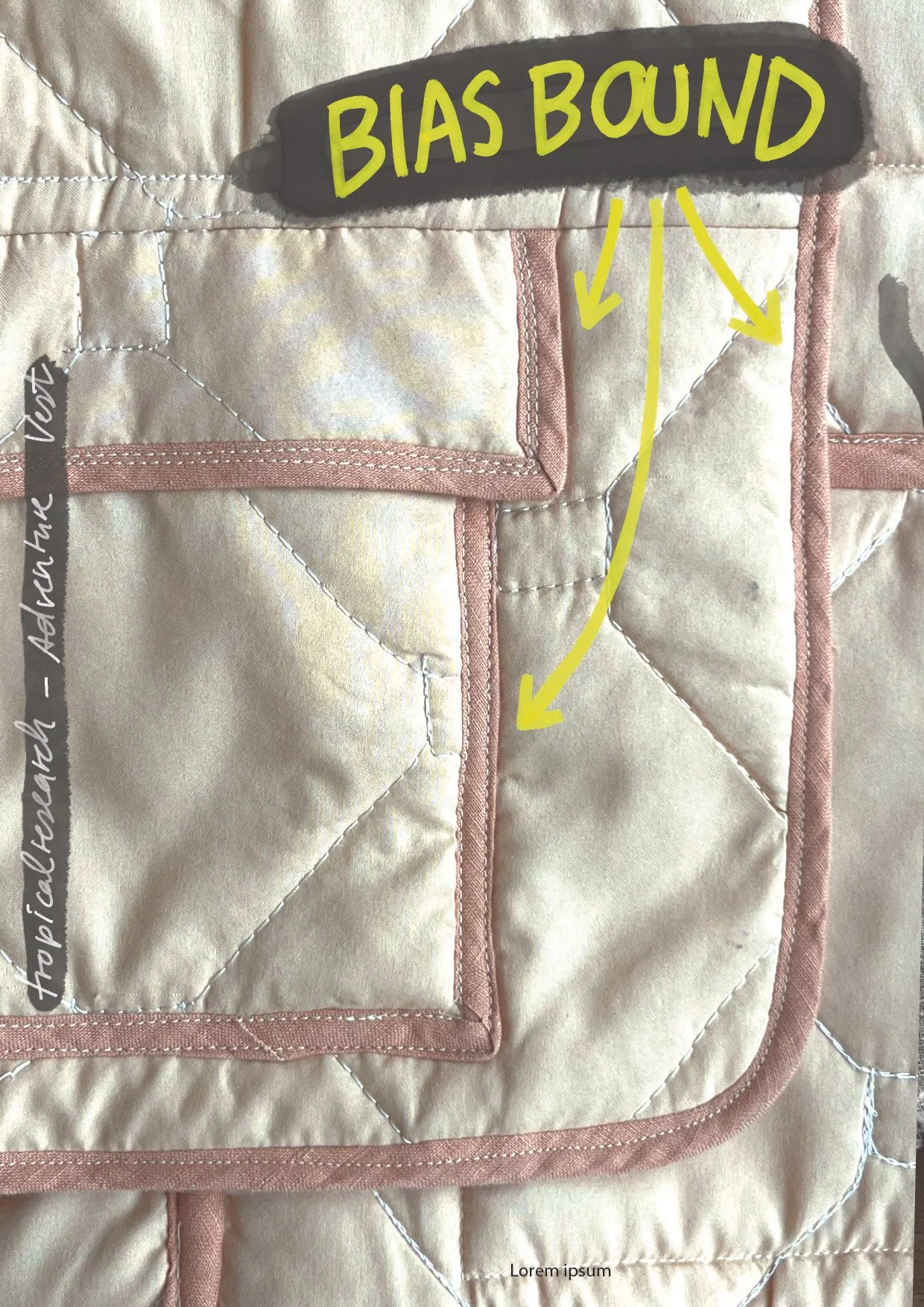
bias binding
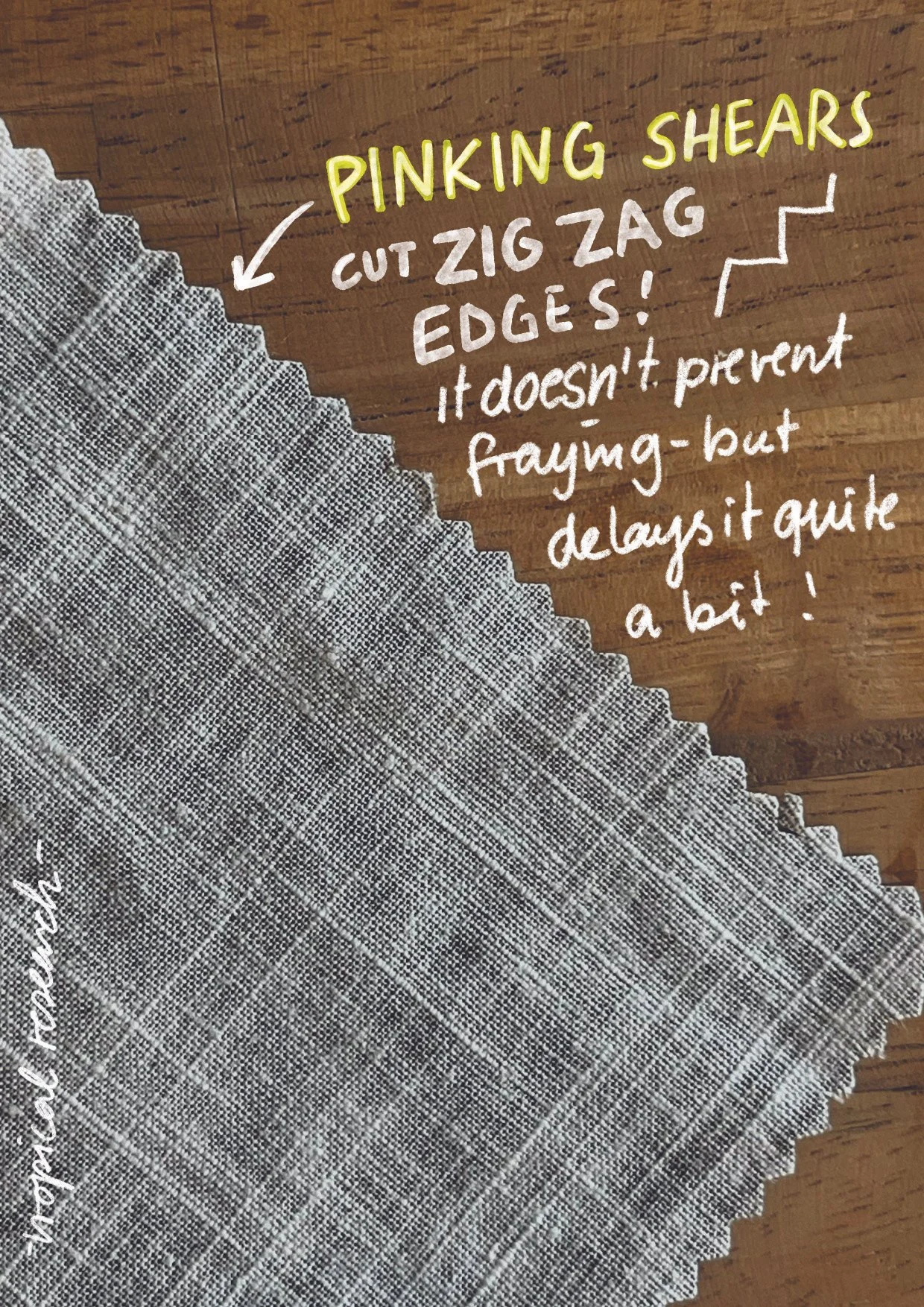
pinking shears
These methods help prevent fraying and create a cleaner interior.
Enclosed Raw Edges
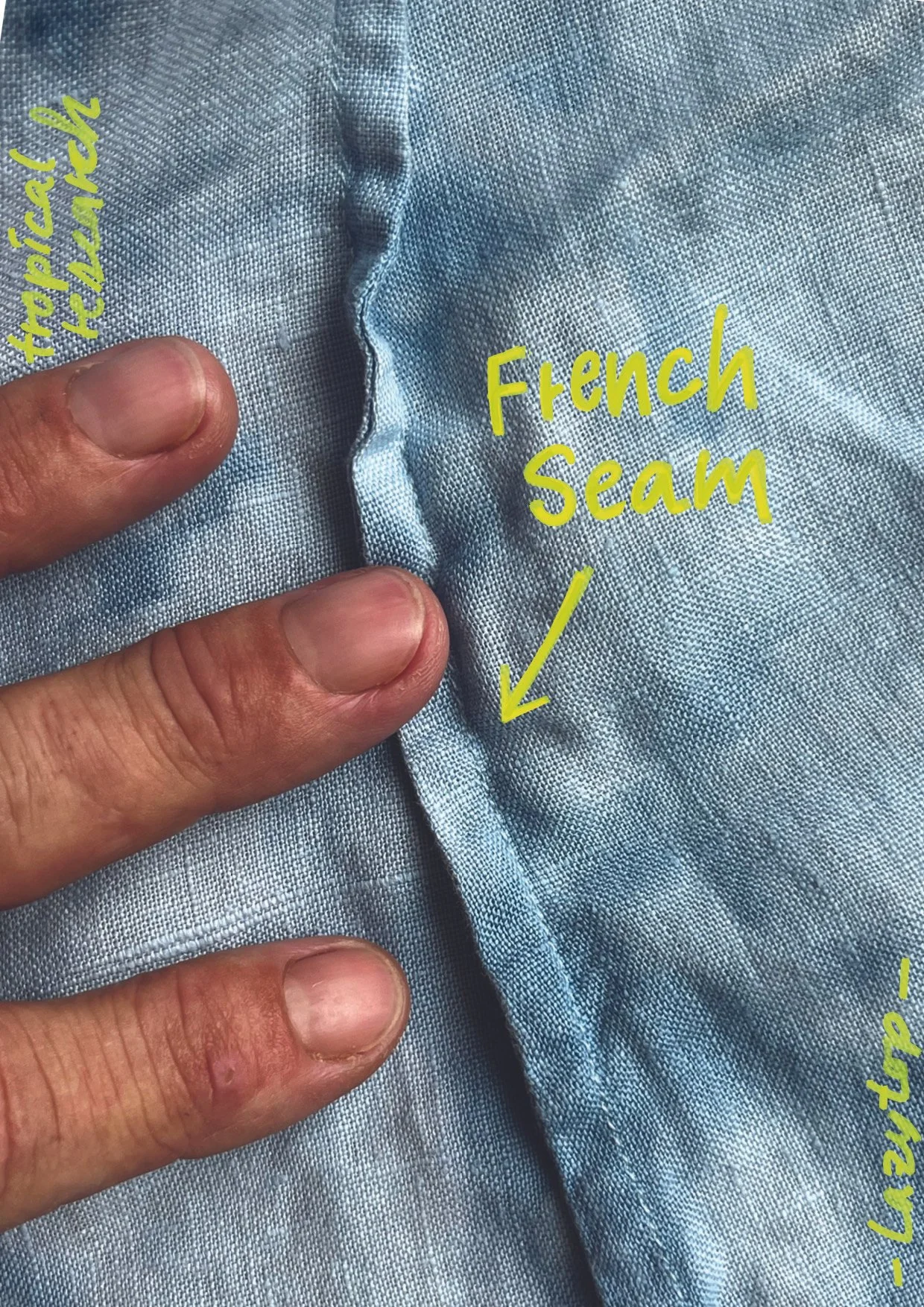
Some sewing techniques completely hide the raw edge inside the garment construction.
Common examples include:
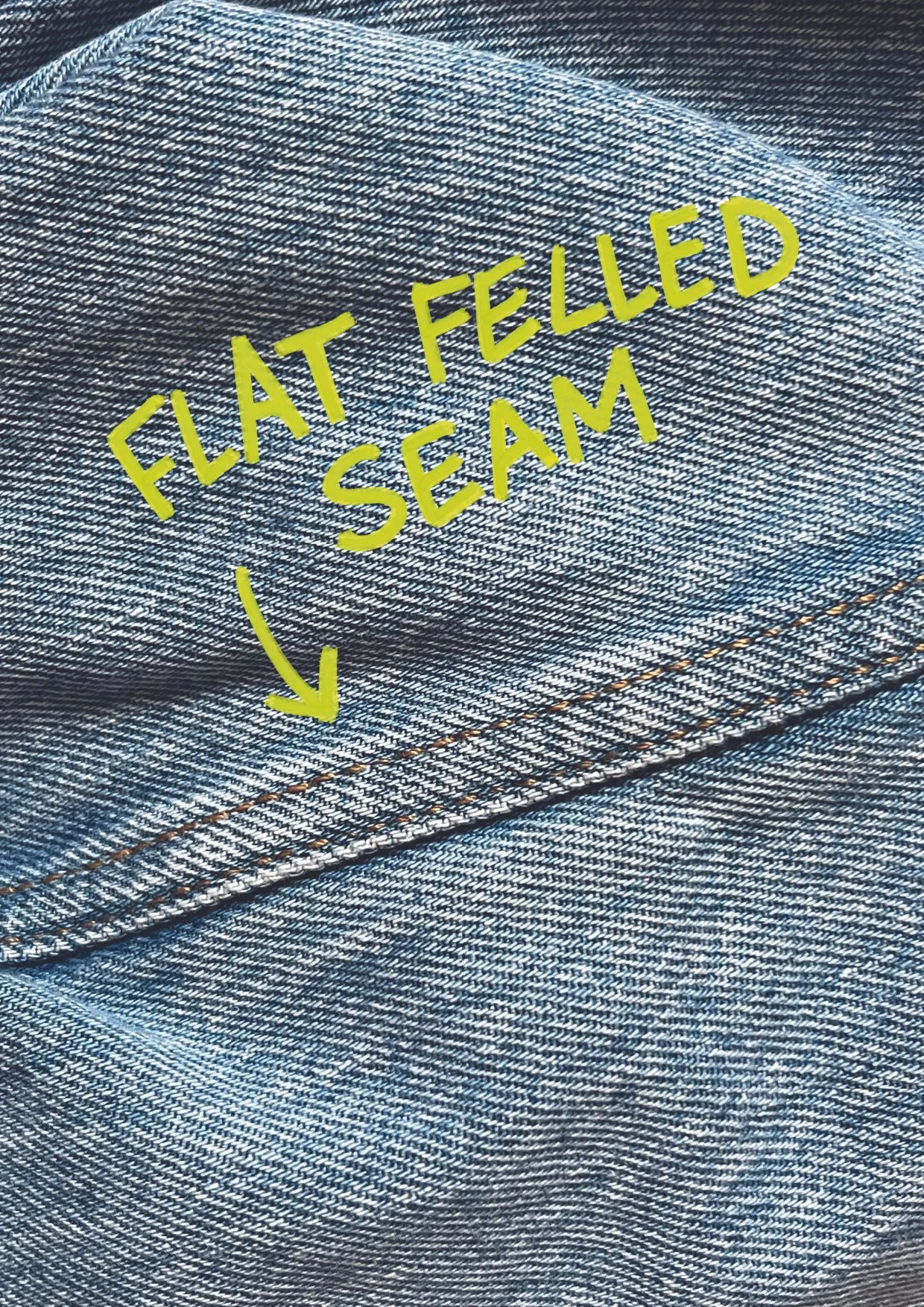
flat-felled seams
lined garments
bound seams
folded hems
Enclosed seams and hems are often associated with higher-end or more durable garment construction.
Choosing the Right Finish
The best edge finish depends on:
fabric type
garment style
durability requirements
available equipment
desired aesthetic
A lightweight linen shirt may use French seams, while a sweatshirt sewn from knit fabric may only require a simple overlock finish.
Beginner Tip
Before starting a project, inspect how the fabric behaves when cut. Pull gently at the edge and observe whether it frays, curls, stretches, or stays stable.
This often helps determine which finishing method will work best for the project.
