
SELVAGE
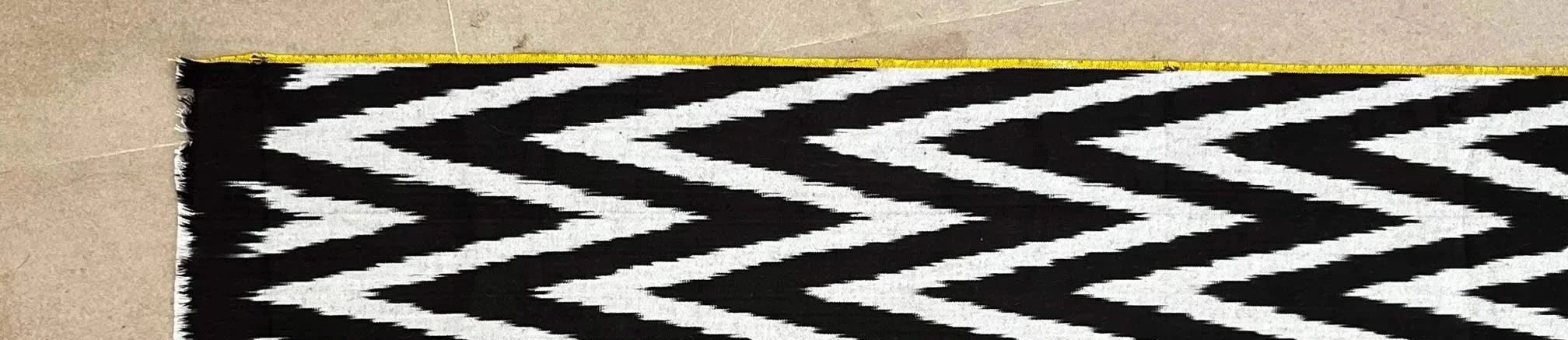
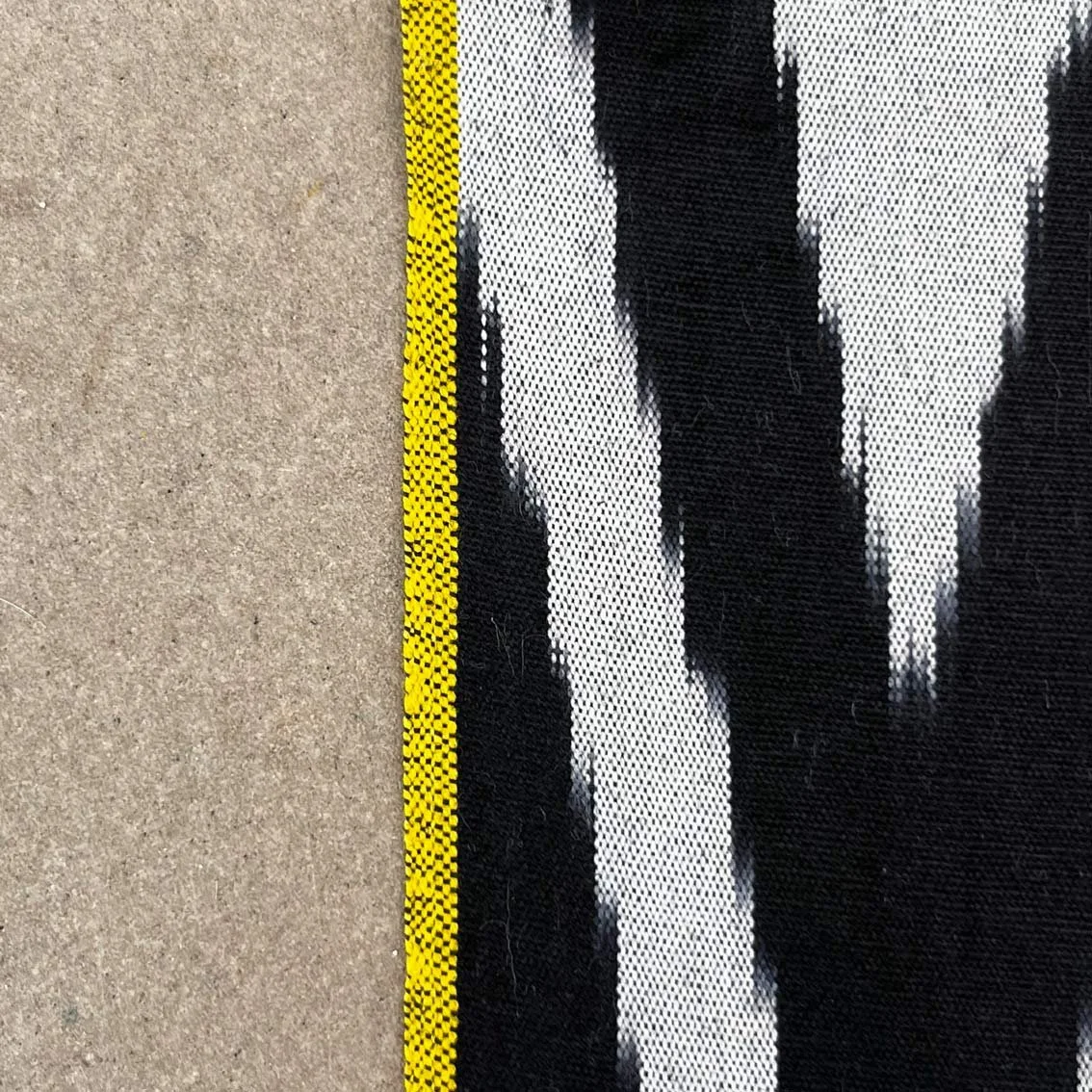
silk ikat from Uzbekistan with a bright yellow selvage
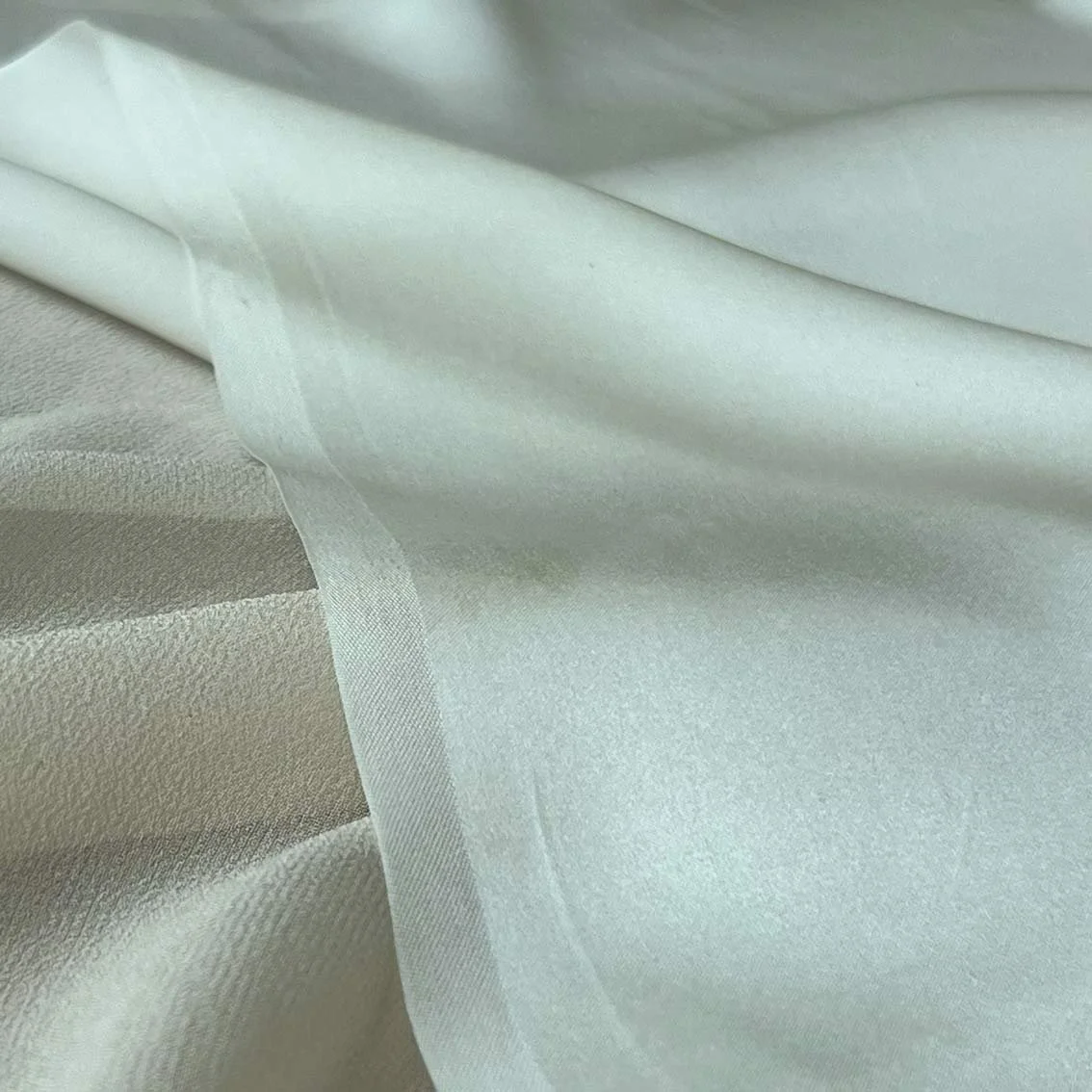
The selvage is the finished edge that runs along both sides of a woven fabric. It is created during the weaving process and helps prevent the fabric from fraying excessively at the edges.
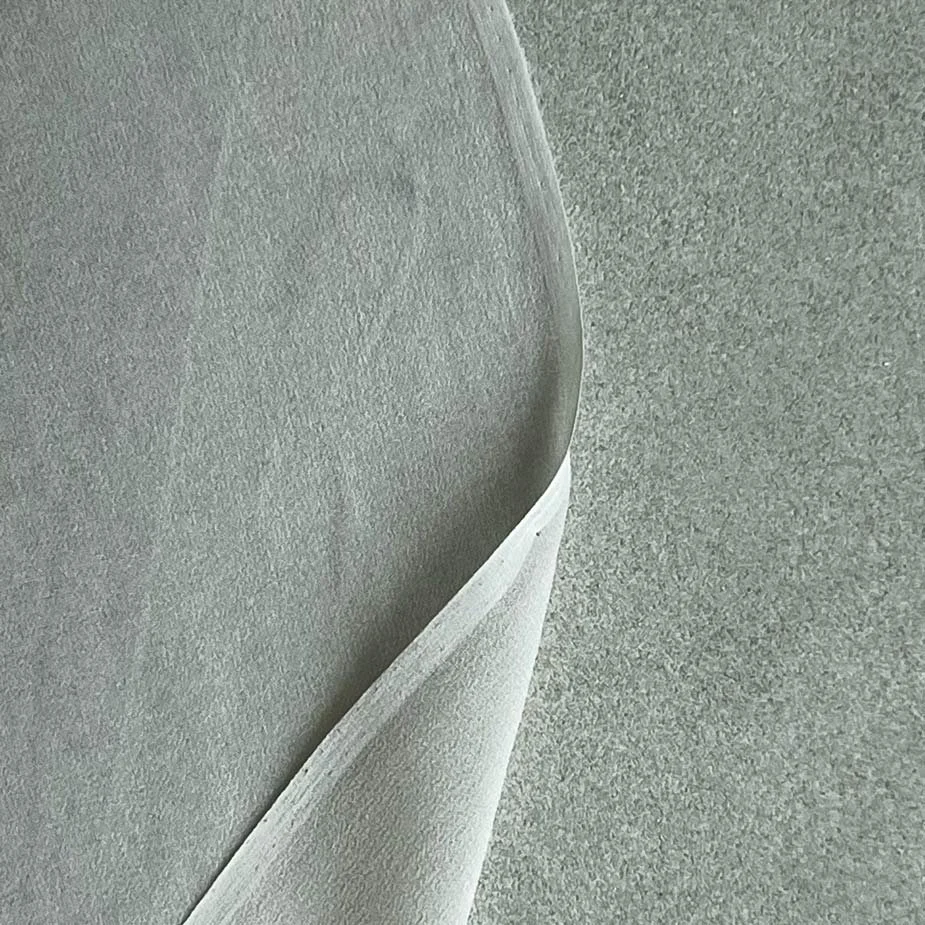
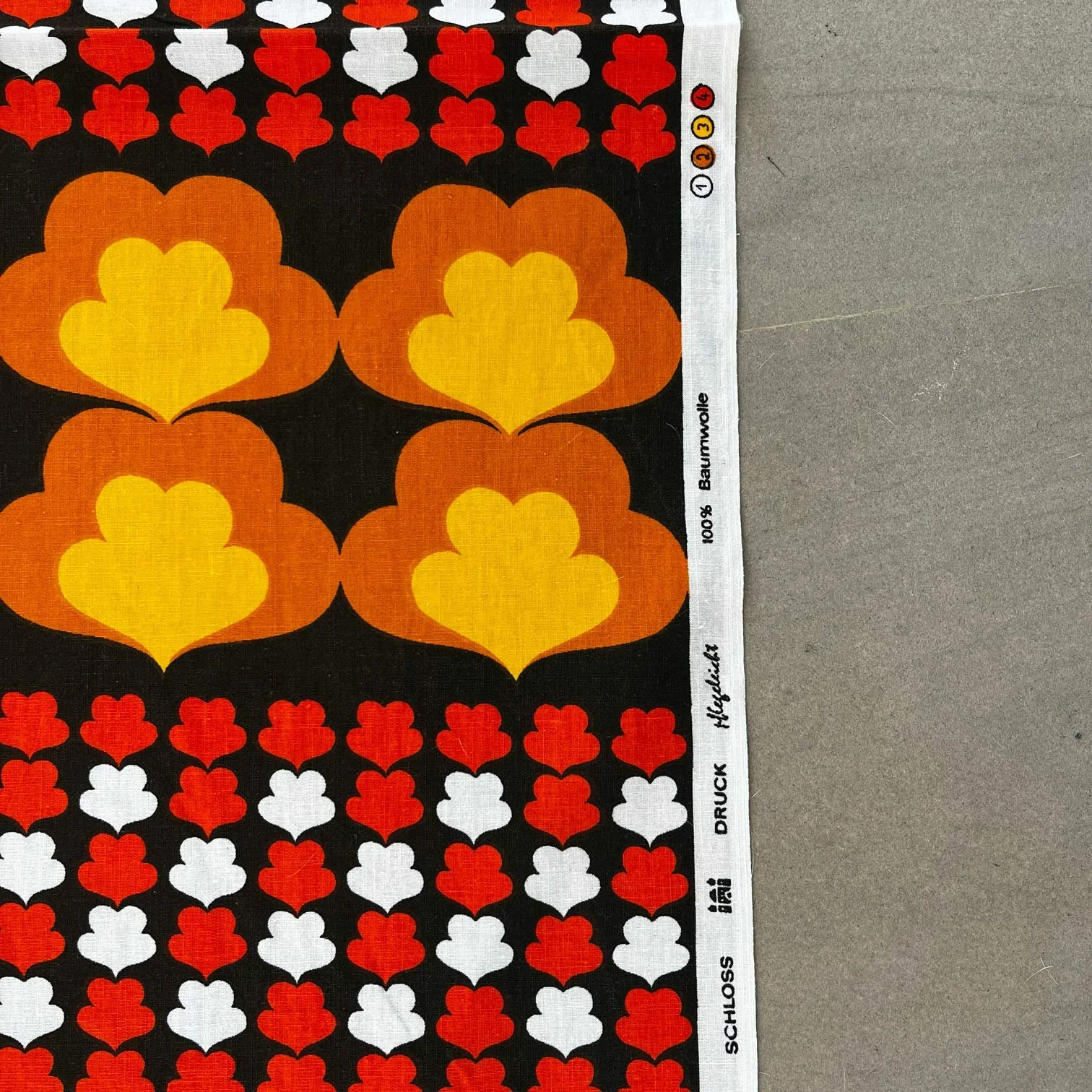
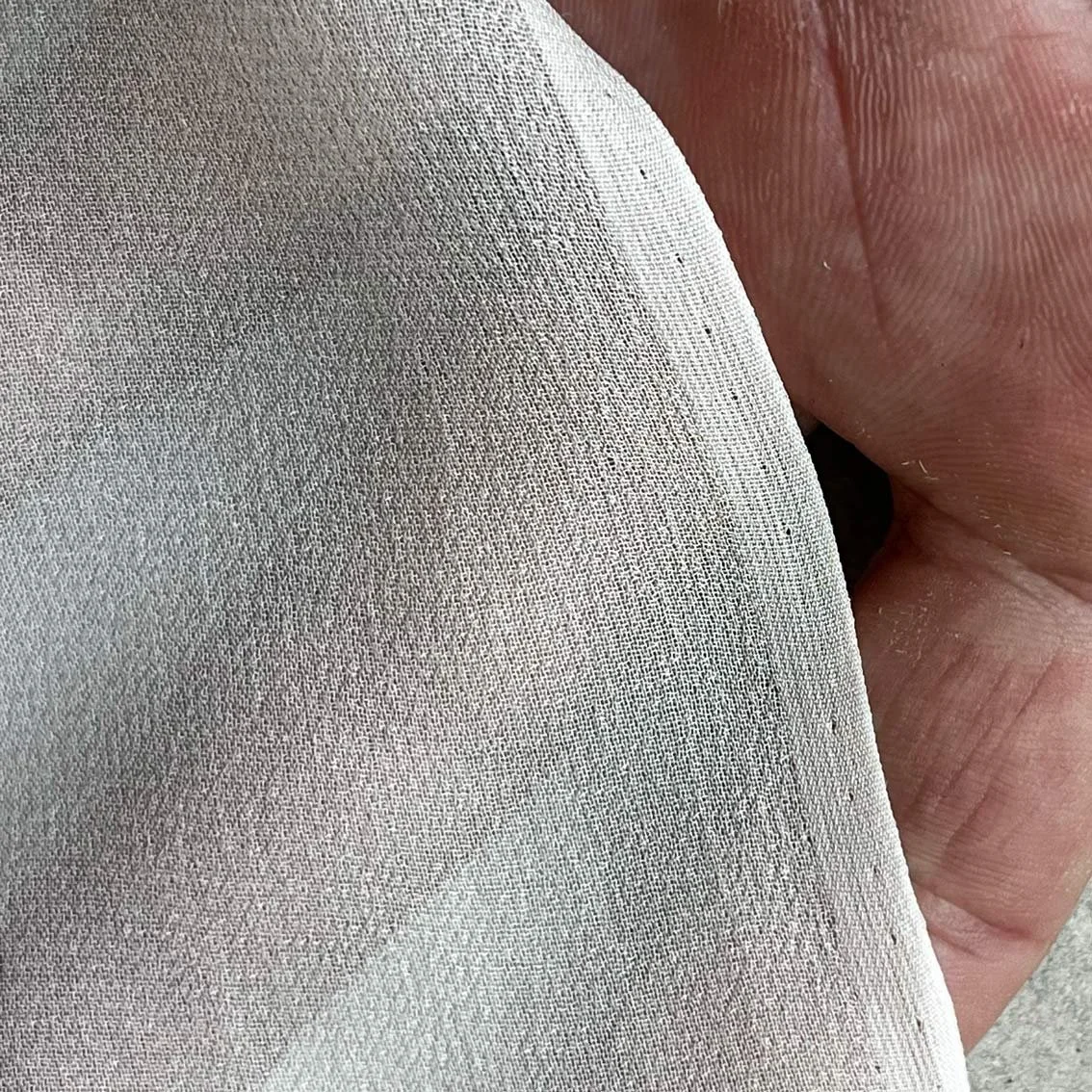
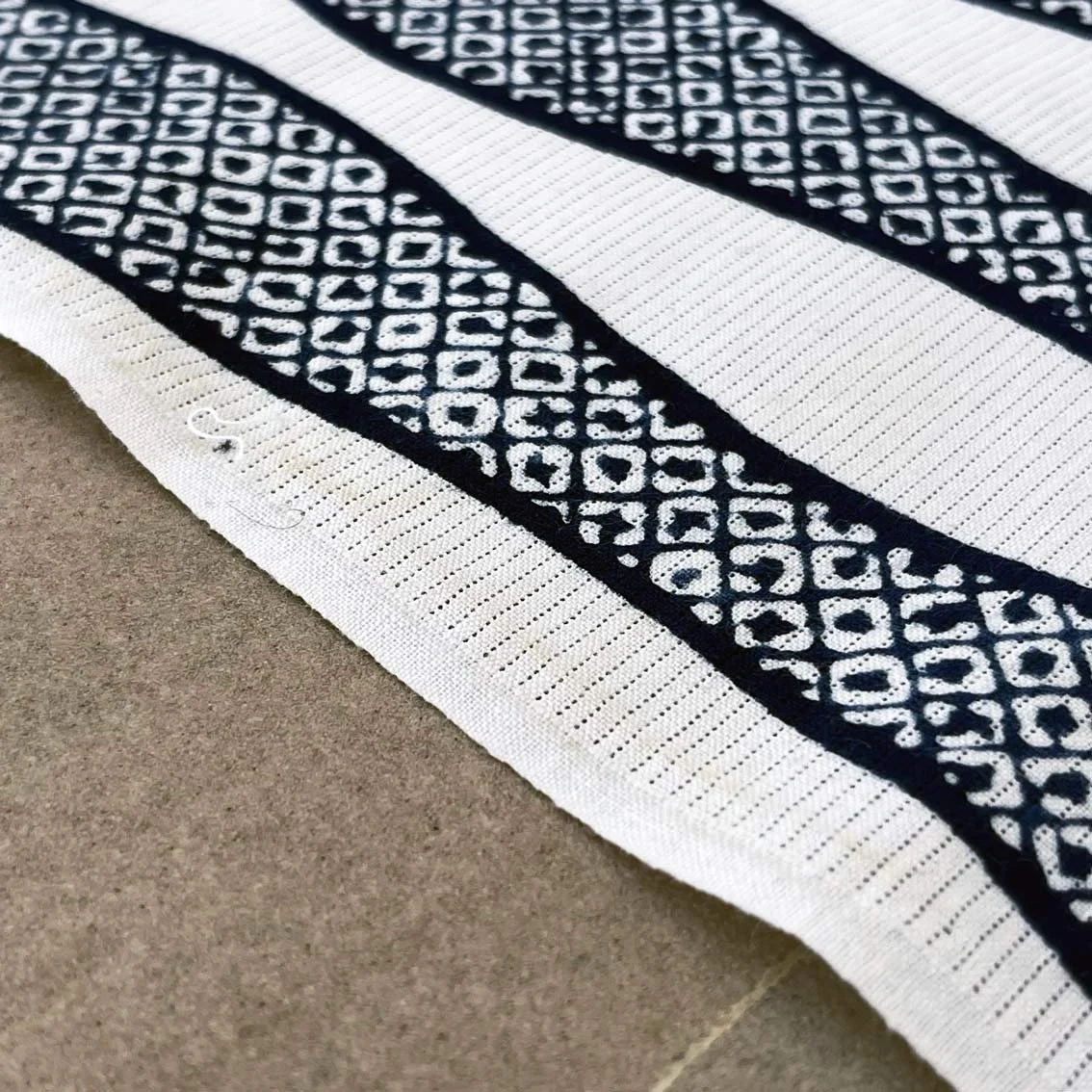
Unlike cut fabric edges, the selvage is tightly woven and usually more stable. Depending on the fabric manufacturer, the selvage may contain coloured threads, printed information or small perforations used during textile production.
How to Identify the Selvage
The selvage runs parallel to the fabric grain and is usually found on the longest sides of the fabric.
You can often recognise it by:
- a tighter weave structure
- small coloured threads or markings
- tiny pinhole perforations
- reduced fraying compared to cut edges
- a slightly different texture or density
On many natural fabrics such as linen or cotton, the selvage may appear slightly thicker or firmer than the rest of the fabric.
Why the Selvage Matters
Understanding the selvage is important because it helps identify the grain direction of a fabric.
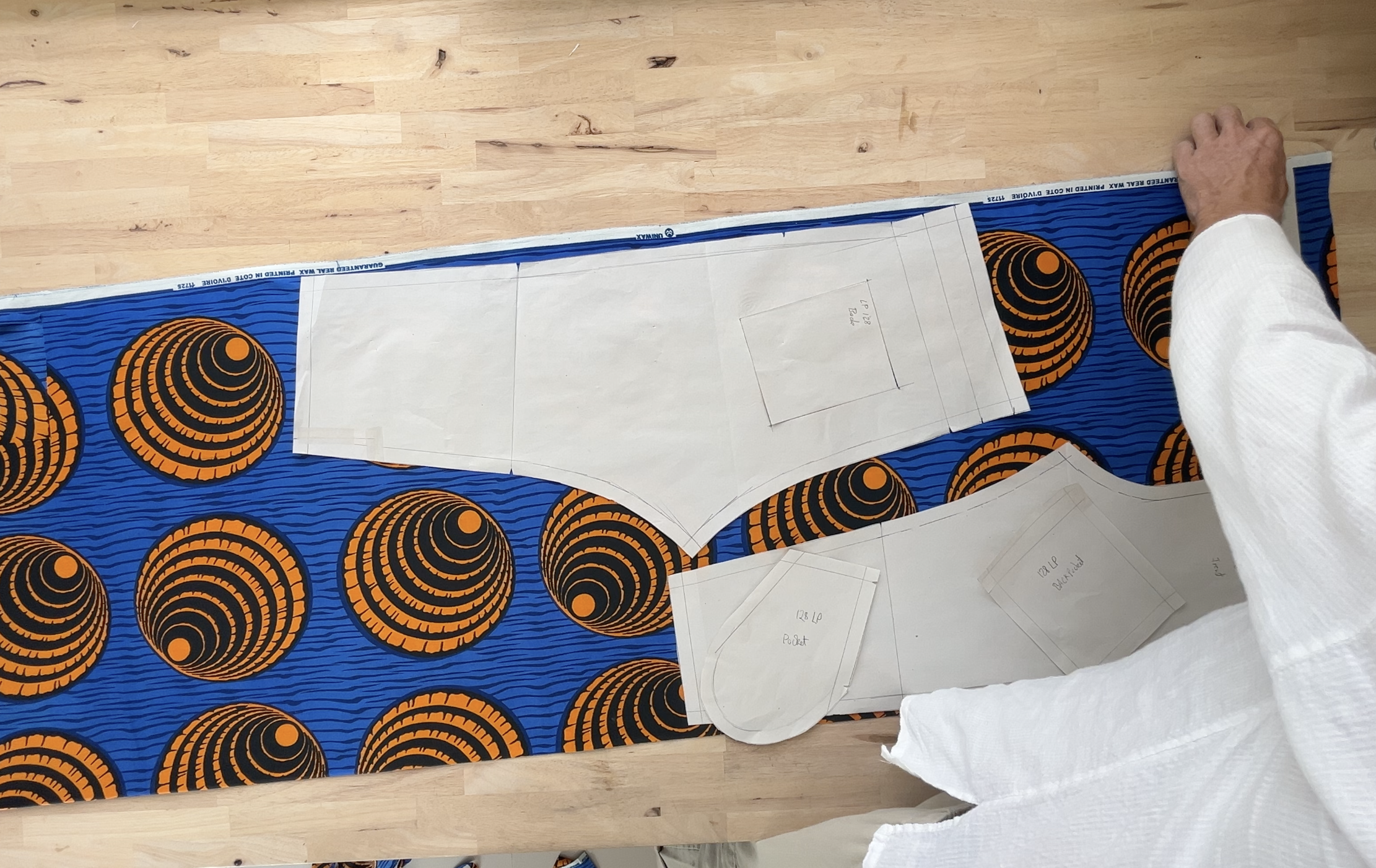
The grainline of most sewing patterns runs parallel to the selvage edge. Correct grain placement affects:
- the drape of a garment
- how fabric hangs on the body
- stretching and distortion
- overall fit and balance
When laying out pattern pieces, the selvage is therefore often used as a visual reference point.
Selvage and Fabric Width
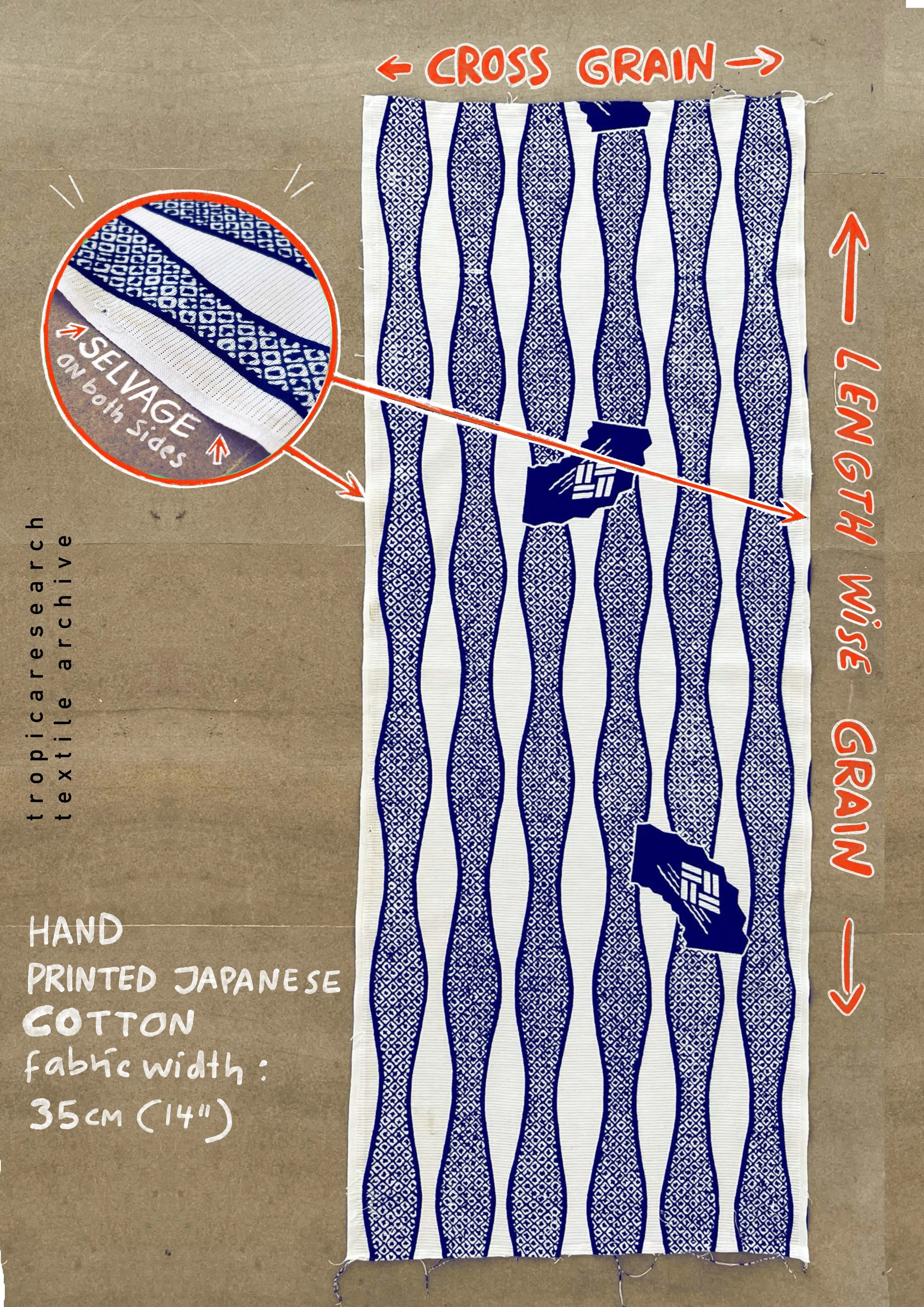
Fabric is usually measured from one selvage edge to the other.
Pattern cutting layouts often depend on the width of the usable fabric area between the selvages.
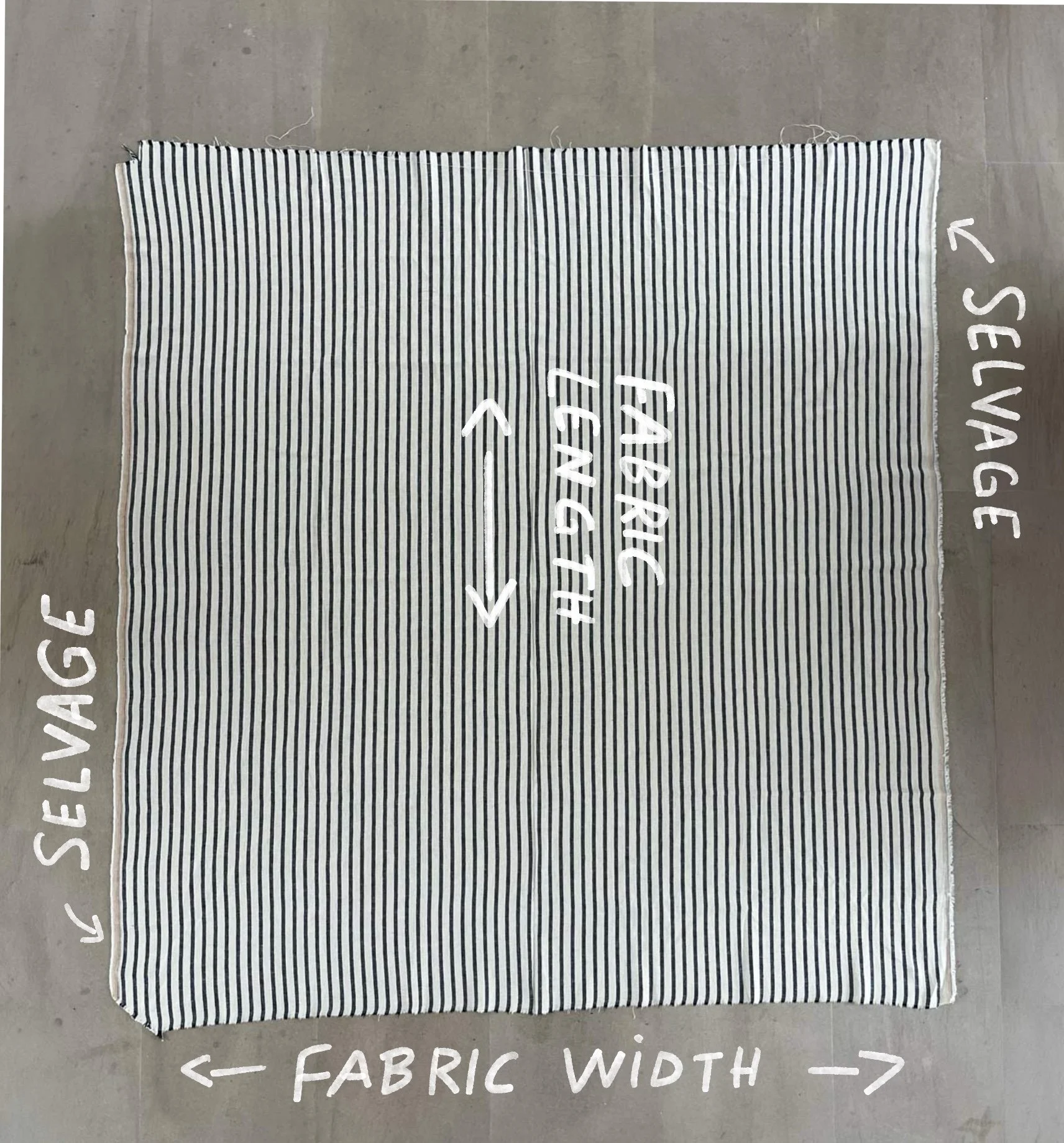
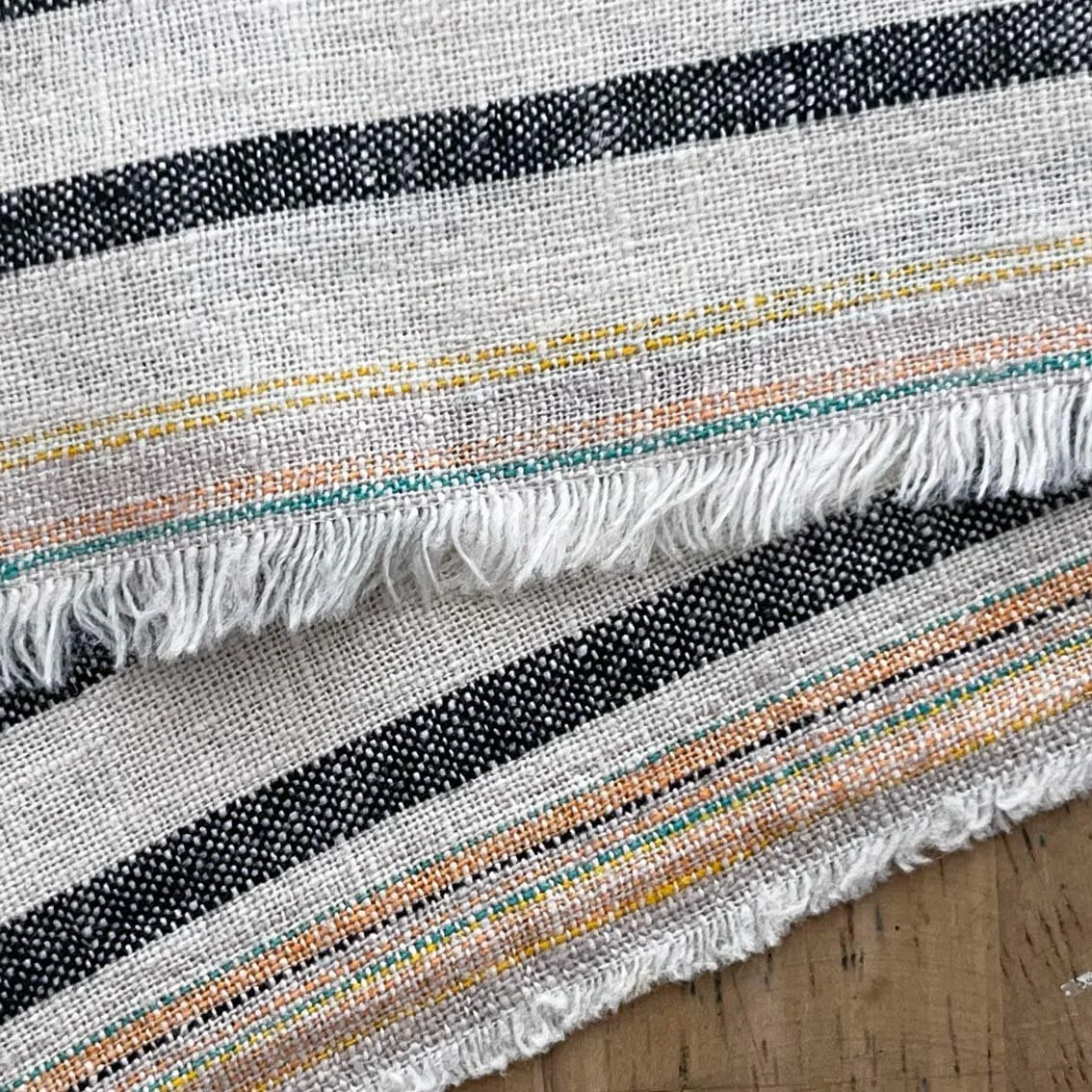
length wise striped cotton/linen blend - full width
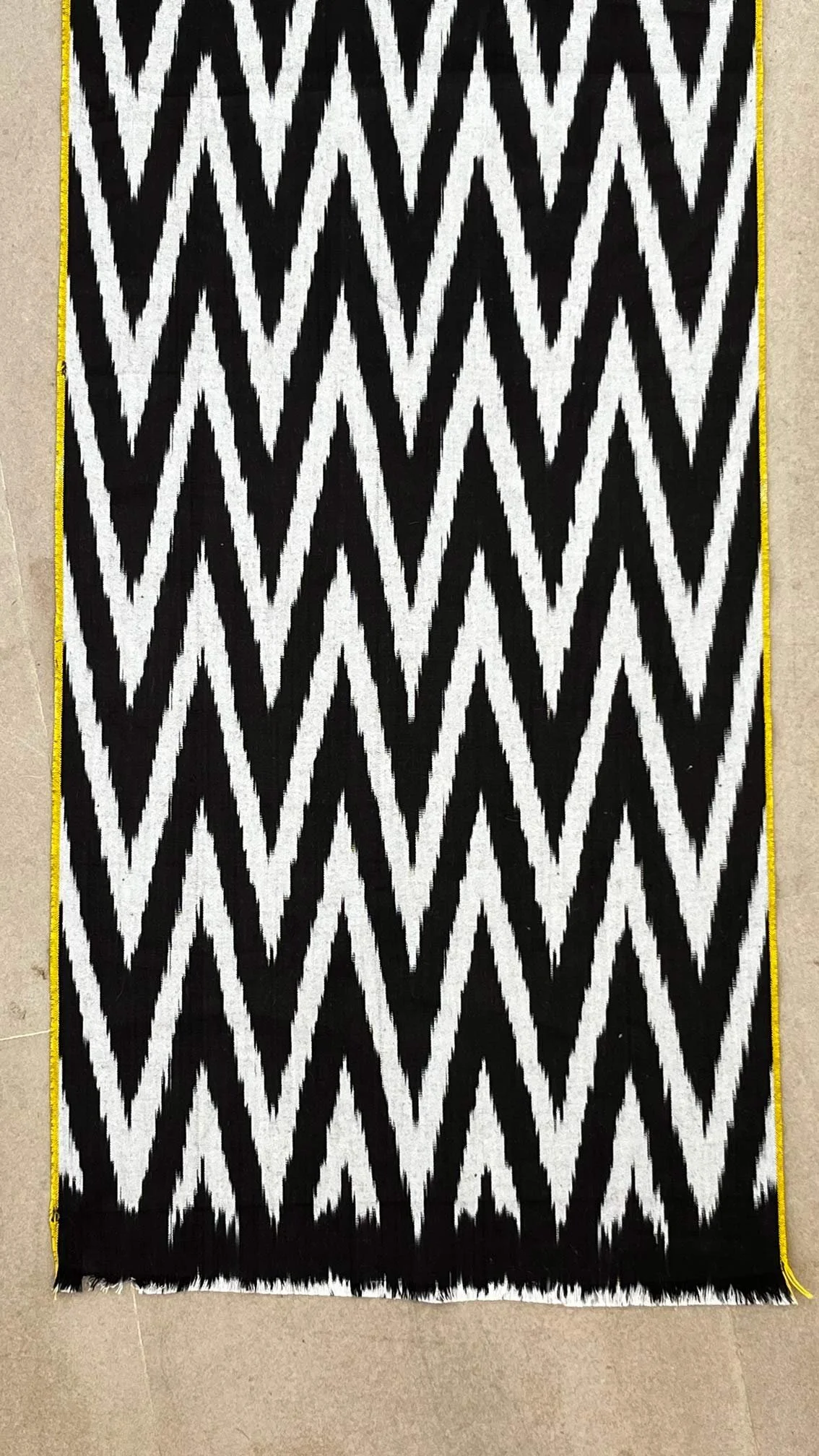
hand woven silk Ikat from Uzbekistan - only about 35 cm ( 14”) wide -
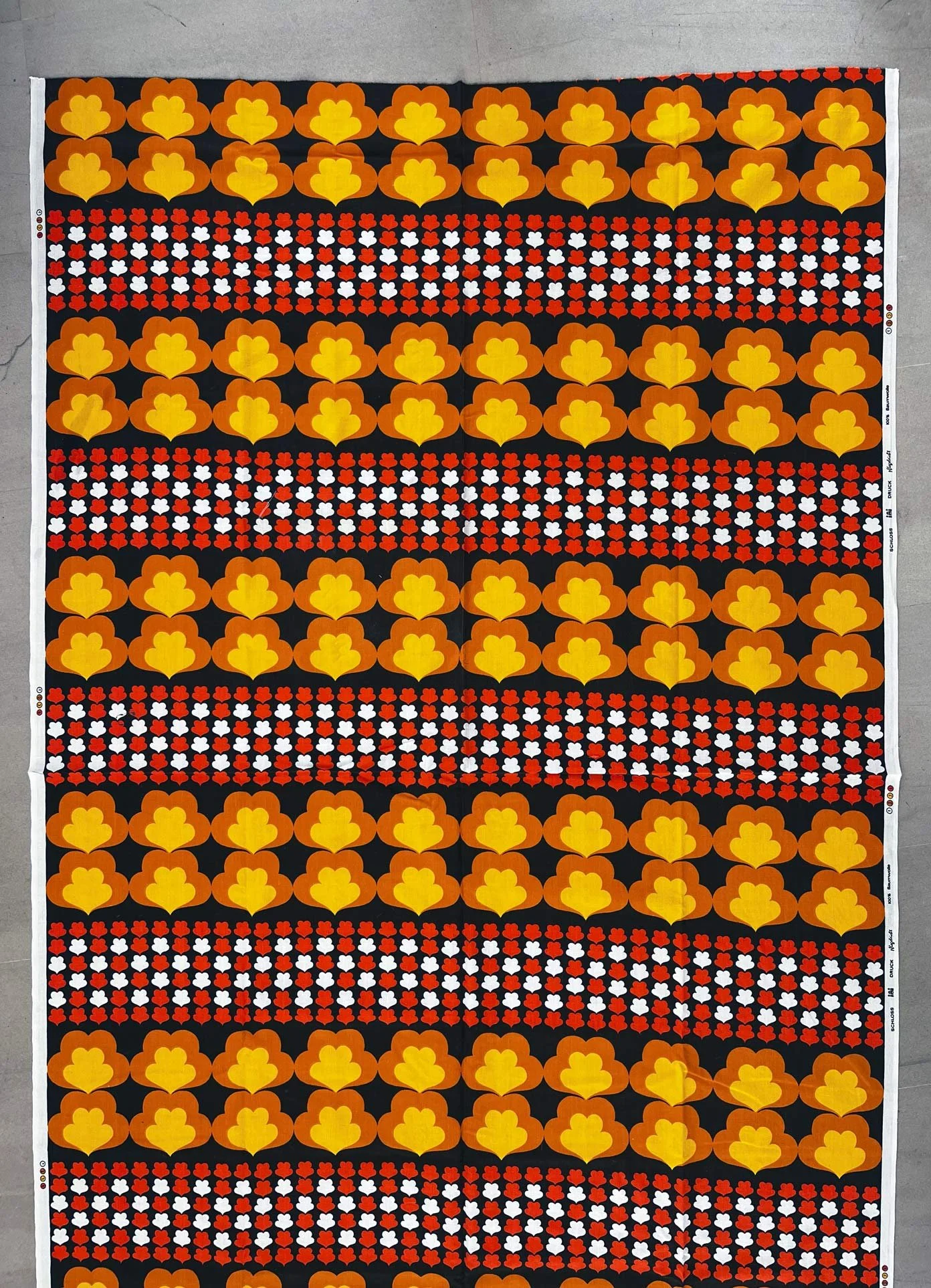
vintage cotton with print - full width with selvages left and right
A Quick Note About Knits
While woven fabrics have a traditional selvage edge created during weaving, knit fabrics may behave differently depending on how they are manufactured. Since many knits and jerseys are knitted on circular knitting machines they don’t have any selvages, just 2 cut edges (from cutting open the tube). This results in strong curling.
Beginner Tip
Before cutting into a new fabric, take a moment to identify the selvage edge and grain direction first.
This small step can help prevent twisted seams, distorted garments and inaccurate fabric layouts later in the sewing process.
watch the short clip below if you want to learn more about selvages :)
