
BASTING
Basting is a temporary sewing technique used to hold fabric layers together before permanent stitching. Unlike regular seams, basting stitches are intended to be removed just like Pins or sewing clips.
Basting can be done by hand or by machine and is often used during garment construction, fitting, quilting, and sewing preparation. Because the stitches are temporary, they are usually sewn with a long stitch length and are easy to remove.
Although basting may seem like an extra step, it can greatly improve accuracy and make more complex sewing tasks easier to manage.
Why Do We Baste?
Basting helps keep fabric layers aligned while allowing adjustments to be made before committing to a permanent seam.
Basting can be used to:
• Hold fabric layers together temporarily
• Test the fit of a garment before final sewing
• Position pockets, collars, waistbands, or facings
• Prevent layers from shifting during construction
• Mark placement lines and reference points
• Prepare fabric for more accurate stitching
Because basting stitches can be removed easily, they provide flexibility during the sewing process.
Hand Basting
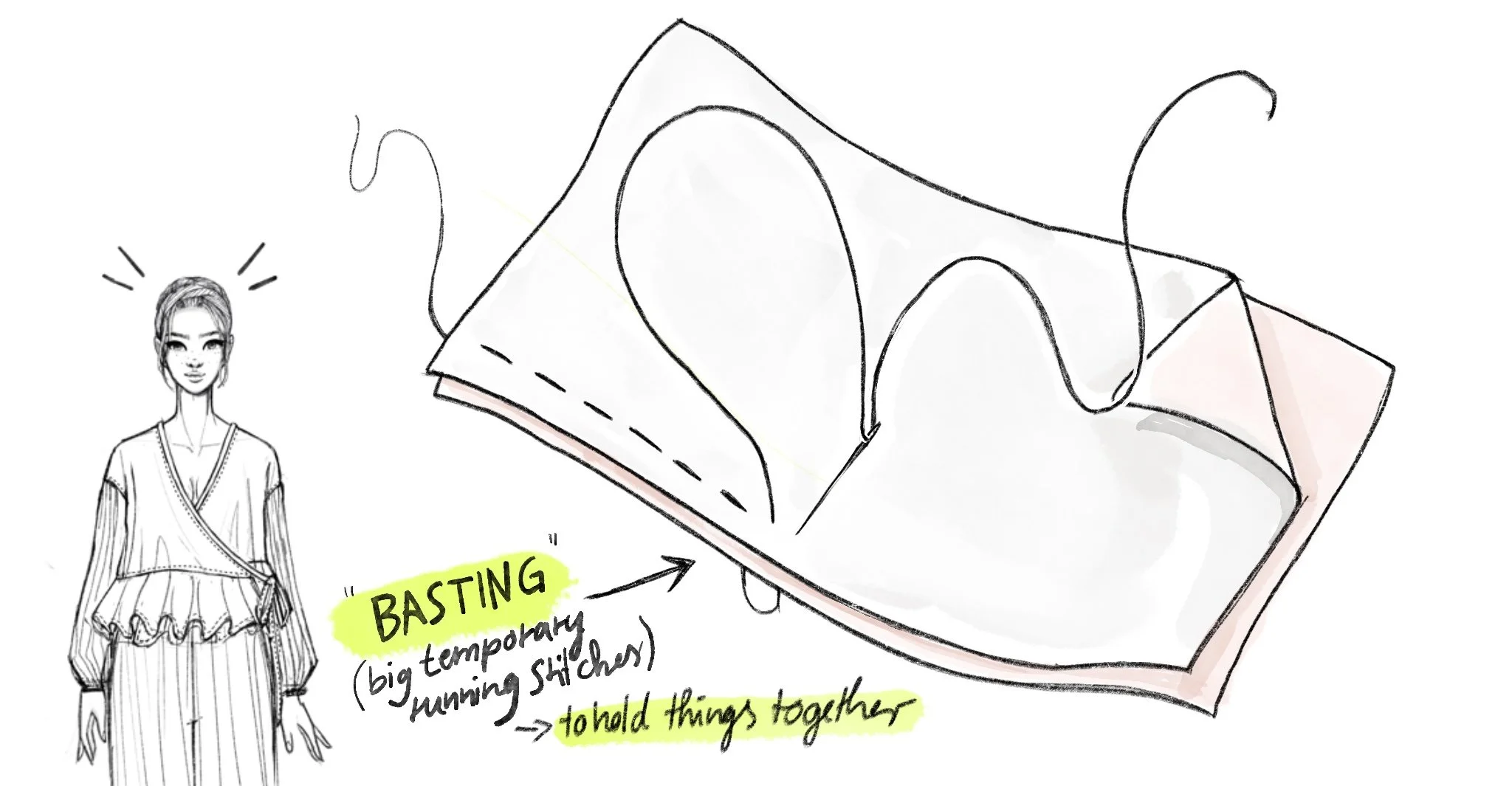
Hand basting is created using a simple running stitch sewn by hand. The stitches are usually longer than regular hand-sewing stitches and are intended to be removed later.
Hand basting offers excellent control and is particularly useful when working with curved seams, delicate fabrics, or areas that require precise positioning.
Because the stitches are sewn by hand, adjustments can be made quickly and easily.
Machine Basting
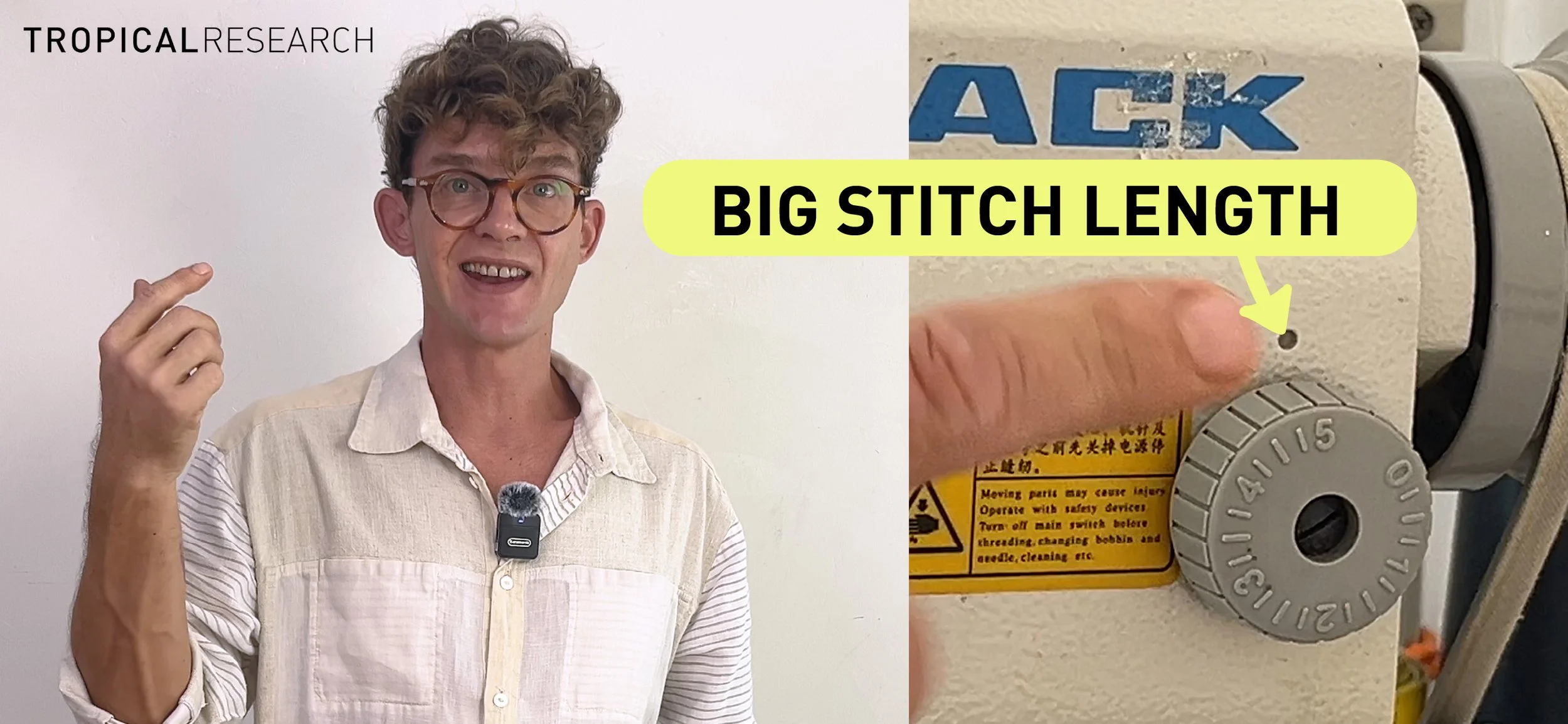
Machine basting uses a sewing machine set to a long stitch length, typically the longest stitch available.
Many sewists also reduce the thread tension slightly to make the stitches easier to remove later.
Machine basting is faster than hand basting and works well when securing long seams or temporarily assembling larger sections of a garment.
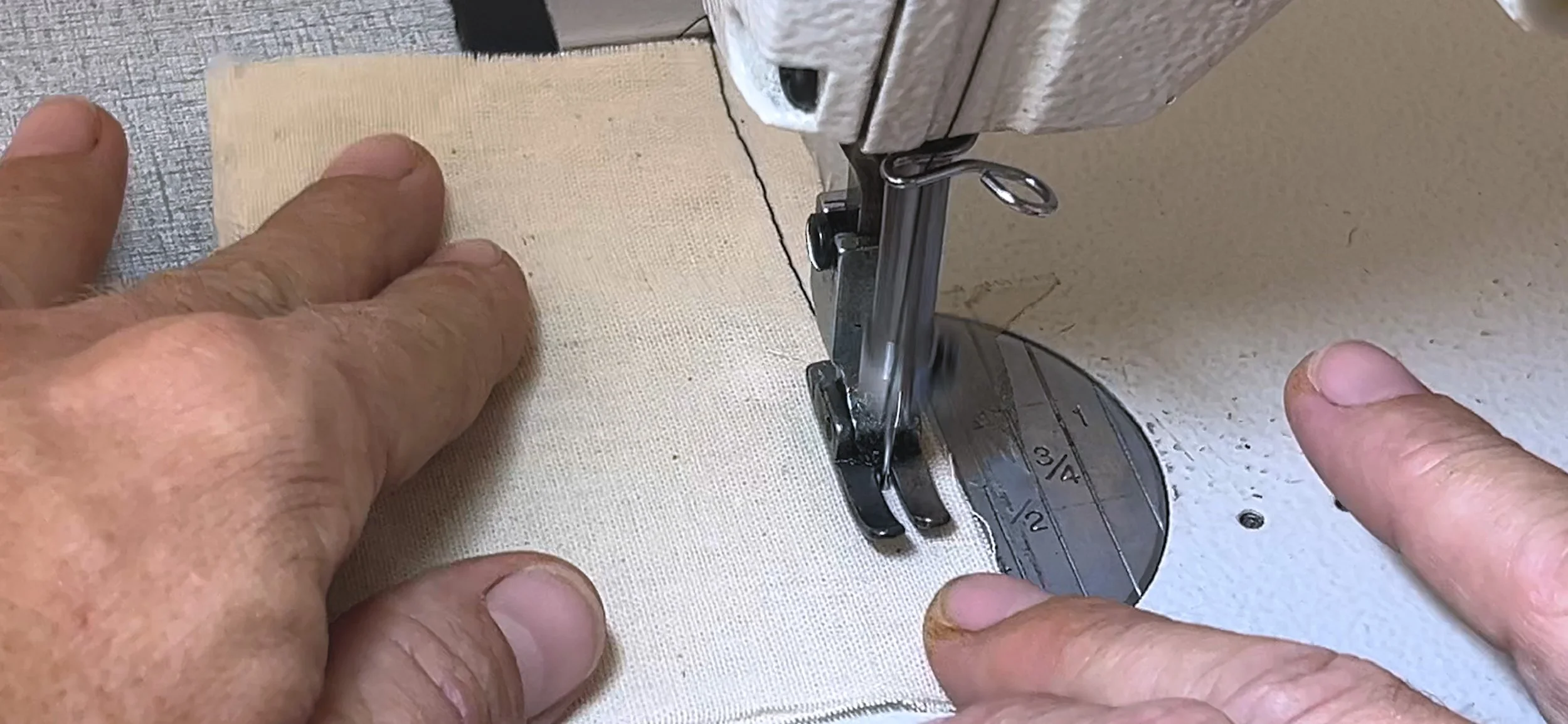
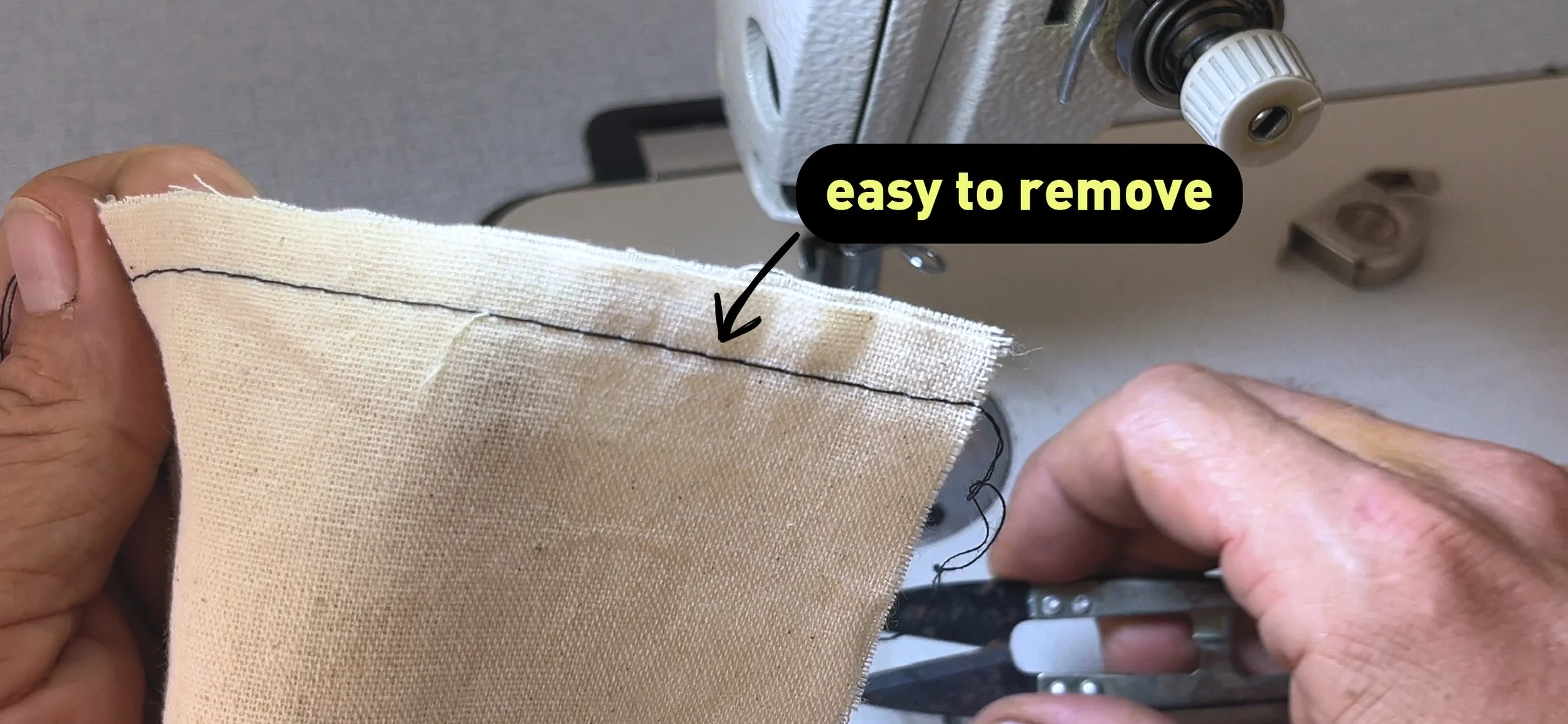
Removing Basting Stitches
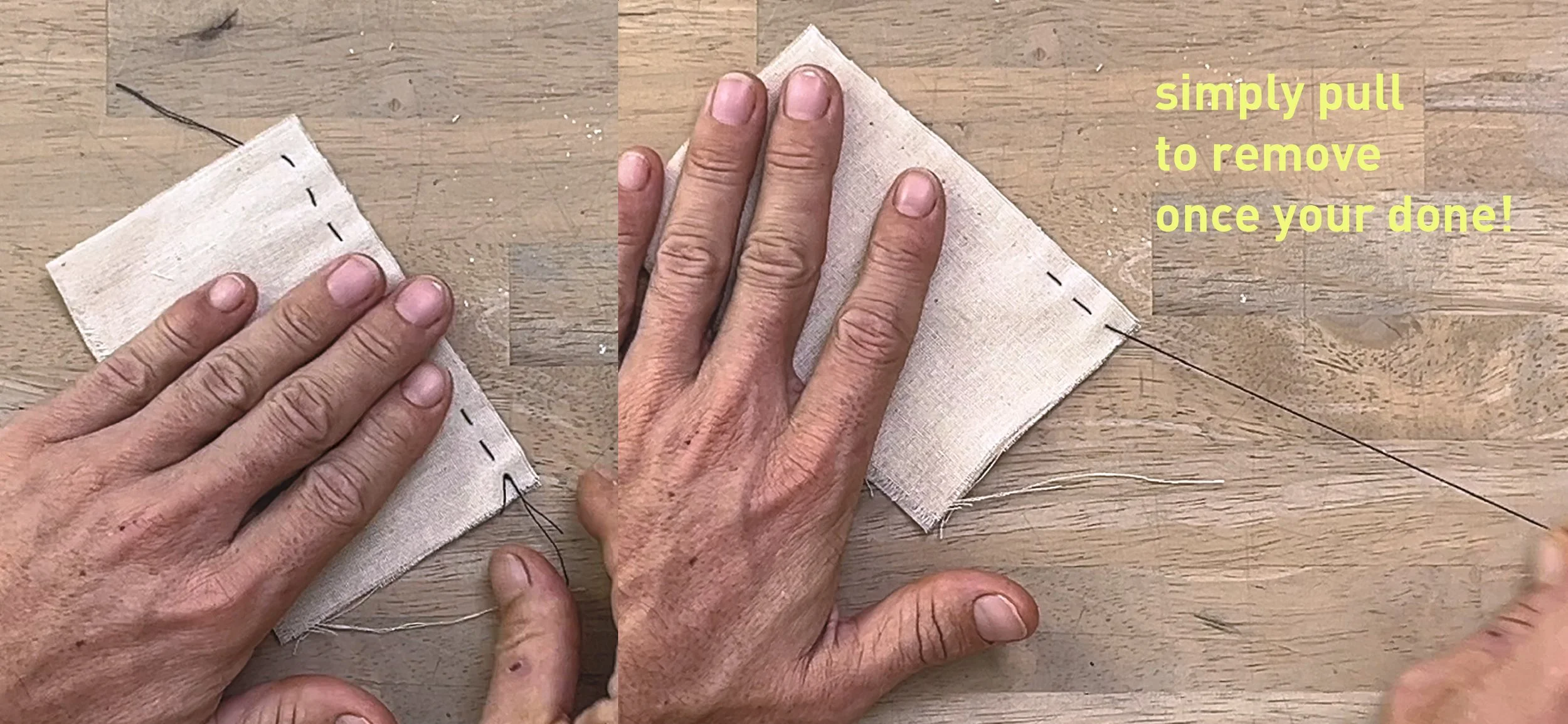
hand basting is the easiest to remove - simply pull the thread out once you are done with the actual seam and don’t need it anymore :)
Once the permanent stitching has been completed, basting stitches are usually removed.
Because the stitches are long and loosely sewn, they can often be pulled out quickly by hand or with a seam ripper.
Removing the temporary stitches leaves only the final seam in place.
Basting vs. Permanent Stitching
The purpose of basting is temporary support, not strength.
Permanent seams are sewn using a normal stitch length and are designed to hold the garment together. Basting stitches, on the other hand, act as a temporary guide and are removed once their job is complete.
Understanding the difference between temporary and permanent stitching is an important part of learning garment construction.
